
Medical Device Animation vs. Traditional Product Marketing
In the medical device world, great products do not always sell themselves. In fact, even highly innovative products can struggle if the people evaluating them do not quickly understand what they do, how they work, and why they matter.
That is where the choice of communication tools becomes critical.
Many companies still rely heavily on traditional product marketing tools like brochures, PowerPoint decks, static diagrams, product photography, trade show panels, and verbal sales explanations. Those tools still have a place. But when the product is complex, technical, internal, procedural, or difficult to demonstrate physically, they often fall short.
That is why medical device animation has become such a powerful alternative.
A strong 3D medical device animation can explain mechanisms, anatomy, treatment workflows, and product advantages faster and more clearly than traditional product marketing alone. It does not replace every other marketing tool, but in many cases, it becomes the clearest and hardest-working asset in the entire mix.
So, which explains more, faster: medical device animation or traditional product marketing?
In many cases, the answer is animation — and for good reason.
The Challenge of Marketing a Medical Device
Medical device companies face a unique communication problem. Their products are often sophisticated, highly specialized, and difficult to explain in plain language. Some work inside the body. Some depend on procedural context. Some require the viewer to understand anatomy, device placement, movement, mechanisms, or outcomes to appreciate the value.
That makes traditional product marketing harder.
A brochure can describe the product. A slide deck can show images. A sales rep can talk through the mechanism. But when the product’s value depends on seeing how something works, words and static visuals often create friction instead of clarity.
That friction slows understanding, weakens recall, and can even make an excellent innovation harder to sell.
What Traditional Product Marketing Does Well
Traditional product marketing still plays an important role. It can be effective for:
supporting sales leave-behinds
reinforcing messaging at trade shows
presenting specifications and features
providing structured sales collateral
supporting websites and email campaigns
These assets are familiar, practical, and often necessary. A strong brochure or product sheet can support decision-making. A sales deck can guide a conversation. A clean webpage can strengthen credibility.
The issue is not that traditional product marketing is bad. The issue is that it is often not enough on its own when the product is difficult to explain.
Where Traditional Marketing Starts to Struggle
Traditional marketing tools are limited when the product involves:
- internal anatomy or hidden mechanisms
- procedural sequences
- moving components
- implant placement
- treatment pathways
- hard-to-visualize clinical benefits
- complex device interaction
A static diagram may show the product, but it cannot always reveal what happens over time. A brochure may describe the mechanism, but it may still require too much interpretation from the reader. A sales rep may explain it well in person, but that explanation may not scale consistently across teams and audiences.
This is where medical device animation creates a major advantage.
Why Medical Device Animation Explains More, Faster
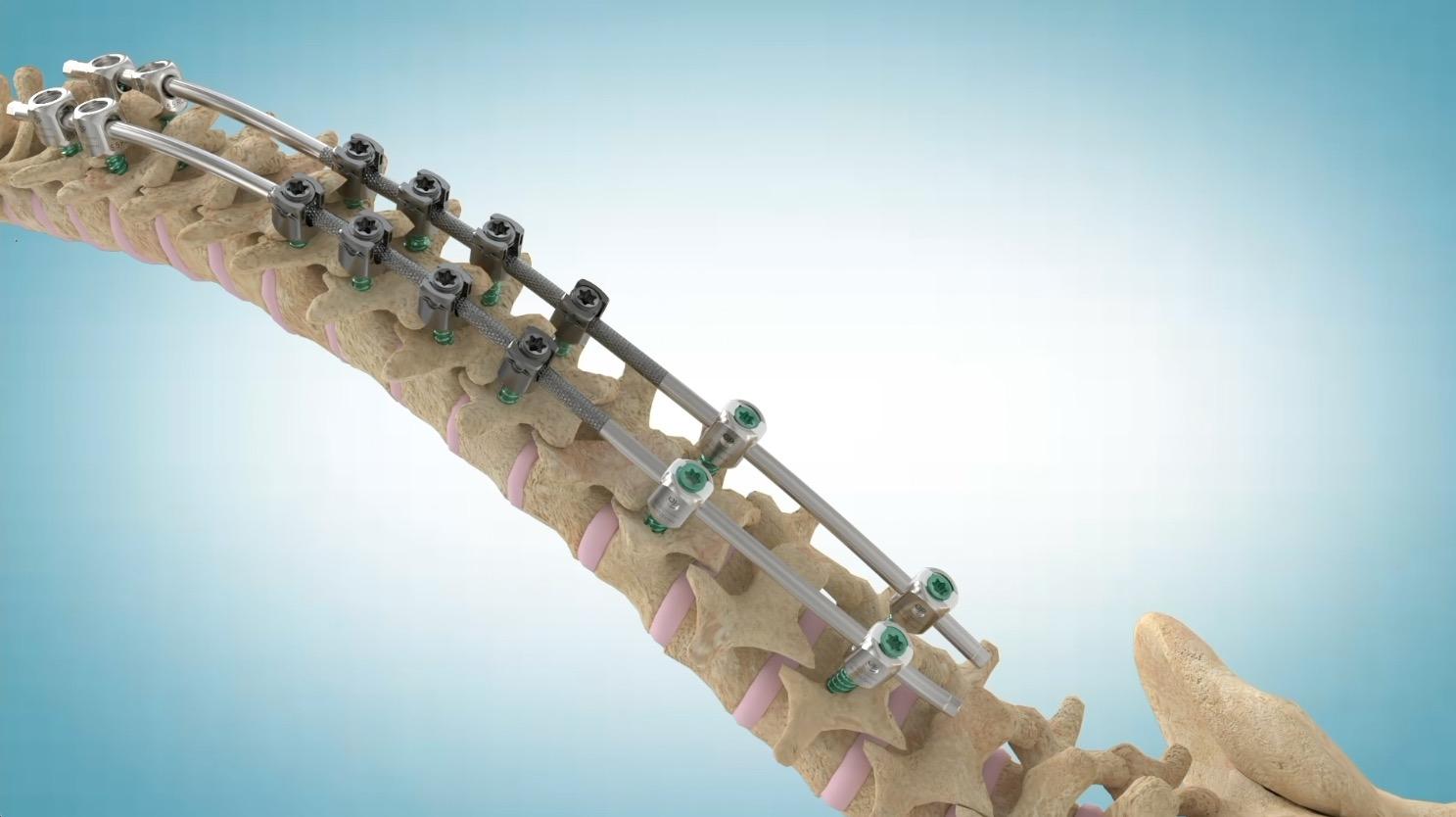
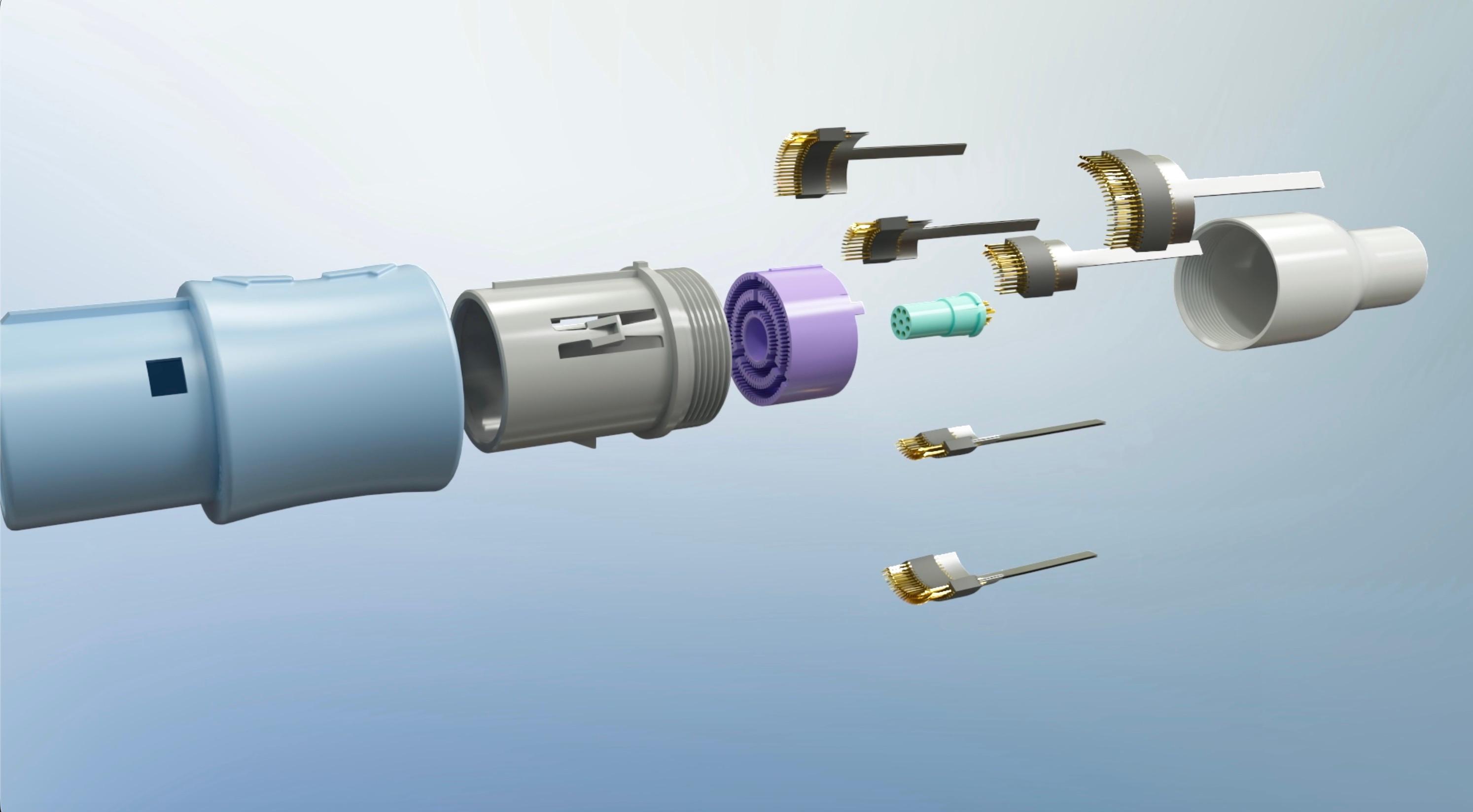
Medical device animation works because it shows what other materials can only describe.
Instead of asking the audience to imagine how a device functions, a well-crafted animation makes it visible. Instead of relying on text-heavy explanations, it presents a clear sequence. Instead of forcing a sales rep to rebuild the explanation every time, it creates a repeatable visual tool that communicates consistently.
A strong 3D medical animation can:
- show internal movement and mechanism
- place the product in an anatomical context
- explain procedural steps clearly
- reveal treatment flow or device interaction
- simplify technical concepts for multiple audiences
- improve understanding in less time
In many cases, what takes several slides and several minutes to explain verbally can be communicated more clearly in a short animation.
That speed matters.
Medical Device Animation Helps Different Audiences Understand the Same Product
One of the biggest strengths of medical device animation is that it helps different audiences understand the same core value, even if they care about different things.
For example:
A surgeon may want to understand procedural use and anatomical fit.
An investor may want to understand differentiation and market relevance.
A hospital stakeholder may want to understand the practical benefit and workflow impact.
A sales rep may need a clear and repeatable way to explain the product in meetings.
Traditional product marketing often requires separate explanations for each audience. Animation creates a shared visual foundation that can help them all understand faster.
That does not mean every viewer sees the exact same version forever. It means the communication starts from a much stronger baseline.
Speed of Understanding Matters in Sales and Marketing
In competitive markets, clarity is not just a communication nice-to-have. It is a sales advantage.
If one company needs five minutes and three brochures to explain what their product does, while another can show it clearly in 60 to 90 seconds, the second company often has the edge.
That is one reason medical device animation services are so valuable in:
- product launches
- investor presentations
- conference booths
- physician education
- distributor training
- sales meetings
- website product pages
Animation helps shorten the time between introduction and understanding. That can make a real difference in crowded, high-stakes environments where attention is limited.
Traditional Product Marketing vs. Medical Device Animation: Side-by-Side
Here is the practical difference.
Traditional Product Marketing
Traditional materials are useful for reinforcing information, summarizing benefits, presenting specifications, and supporting follow-up. They are often essential parts of a complete marketing toolkit.
But they usually depend on the audience reading, interpreting, or listening carefully enough to build the right mental picture.
Medical Device Animation
Animation reduces that burden. It gives the viewer the picture directly. It combines movement, context, sequence, and visual emphasis to help them understand the product faster and with less effort.
Traditional marketing often supports the message.
Medical device animation often unlocks the message.
That is the real distinction.
Animation Does Not Replace Everything — It Strengthens Everything
It is important to be honest here: 3D medical device animation is not a total replacement for every other marketing asset.
You still need brochures, web copy, presentations, product pages, diagrams, and other collateral. But animation often makes those tools more effective because it gives them a clearer core story to support.
For example:
- a website becomes stronger when animation helps explain the product upfront
- a sales presentation becomes clearer when animation introduces the mechanism
- a brochure becomes easier to digest after the viewer has already seen the process visually
- a trade show booth becomes more engaging when animation draws people in
In that sense, animation does not compete with traditional marketing as much as it upgrades it.
When Medical Device Animation Makes the Most Sense
A company should strongly consider medical device animation when:
- the product is difficult to explain verbally
- anatomy or internal interaction matters
- the mechanism is a key differentiator
- live demonstration is not practical
- the audience needs faster understanding
- sales teams keep repeating the same technical explanation
- investor or physician communication needs to be stronger
- the product is new, innovative, or unfamiliar
If your team keeps saying, “It makes more sense when we walk people through it,” that is usually a good sign that animation could help.
What Makes Great Medical Device Animation Effective?
Not all animation is equally useful.
A strong medical device animation should do more than look polished. It should be built around communication goals. The best projects usually include:
- clear audience strategy
- strong visual storytelling
- scientific and anatomical credibility
- intentional pacing
- smart use of labels and callouts
- clean, focused messaging
- alignment with sales and marketing goals
A flashy animation without a clear communication purpose may impress for a moment, but it will not work nearly as hard as one designed to educate and persuade.
Choosing the Right Mix for Your Marketing Strategy
The smartest approach is usually not choosing one or the other. It is choosing the right mix.
Traditional product marketing tools are still important. But when your product is complex, and your audience needs faster understanding, medical device animation can become the anchor asset that makes the rest of your marketing work better.
That is especially true for companies that need to explain innovation clearly, differentiate quickly, and support multiple audiences across sales, education, and brand communication.
Final Thoughts
When the goal is to explain a complex product clearly and quickly, medical device animation often outperforms traditional product marketing alone. Static materials can support the message, but animation is often what makes the message click.
That is why more healthcare and medical device companies are investing in 3D medical animation as part of their product marketing strategy. It helps audiences understand faster, remember more, and trust what they are seeing.
Traditional product marketing still matters. But if your product is difficult to explain, animation may be the tool that helps everything else work harder.
At Q3 Interactive, we create medical device animation and 3D medical animation services that help companies explain products more clearly, strengthen sales communication, and build more effective marketing systems around complex innovations.
Need a better way to show how your product works? Contact Q3 Interactive to discuss your next medical device animation project.